Booking airline tickets has become an increasingly diverse experience with the proliferation of numerous payment methods. Gone are the days when credit cards were the sole option; today’s travelers demand to choose from a wide array of payment solutions, from digital wallets to buy now, pay later services.
This evolution in payment technology enhances convenience for consumers, but might represent growing challenges for airlines. Due to the fragmentation of the payment landscape, operational and reconciliation processes complicate.
In this article, we'll explore the different payment methods available for booking flights, as well as how to combat the security challenges this scenario presents.
Payments Demand
The airline market is experiencing a significant transformation in how travelers prefer to pay for their flights. As the region undergoes rapid digitalization, there's a growing demand for innovative payment options while customers remain retiring of fraud.
The Traditional Choice for Booking
Paying with credit cards remains one of the most popular methods for purchasing airline tickets, accounting for approximately 70% of transactions, according to McKinsey. This preference is driven by the convenience, security, and rewards programs offered by credit card companies.
However, two considerations must be taken. First, the high cost of credit card usage to airlines. And two, the low penetration of banking in regions such as LATAM and APAC, where digitalization is currently gaining traction.
Convenience for Every Flight
According to IATA Global Passenger Survey, 62% of customers cited convenience as the main reason they chose a particular payment method. According to the same survey, digital wallets and bank transfers are tied for second place as the preferred payment method, with 18% of respondents each.
While these preference changes from region, the overall trend is towards increasing adoption of digital payment methods. For example, digital wallets were selected as the preferred payment method by 41% of travelers in the Asia Pacific region. Similarly, a 2023 PayPal study found that 34% of Mexican travelers desire a wider range of payment options, and 82% would opt to use digital wallets if available.
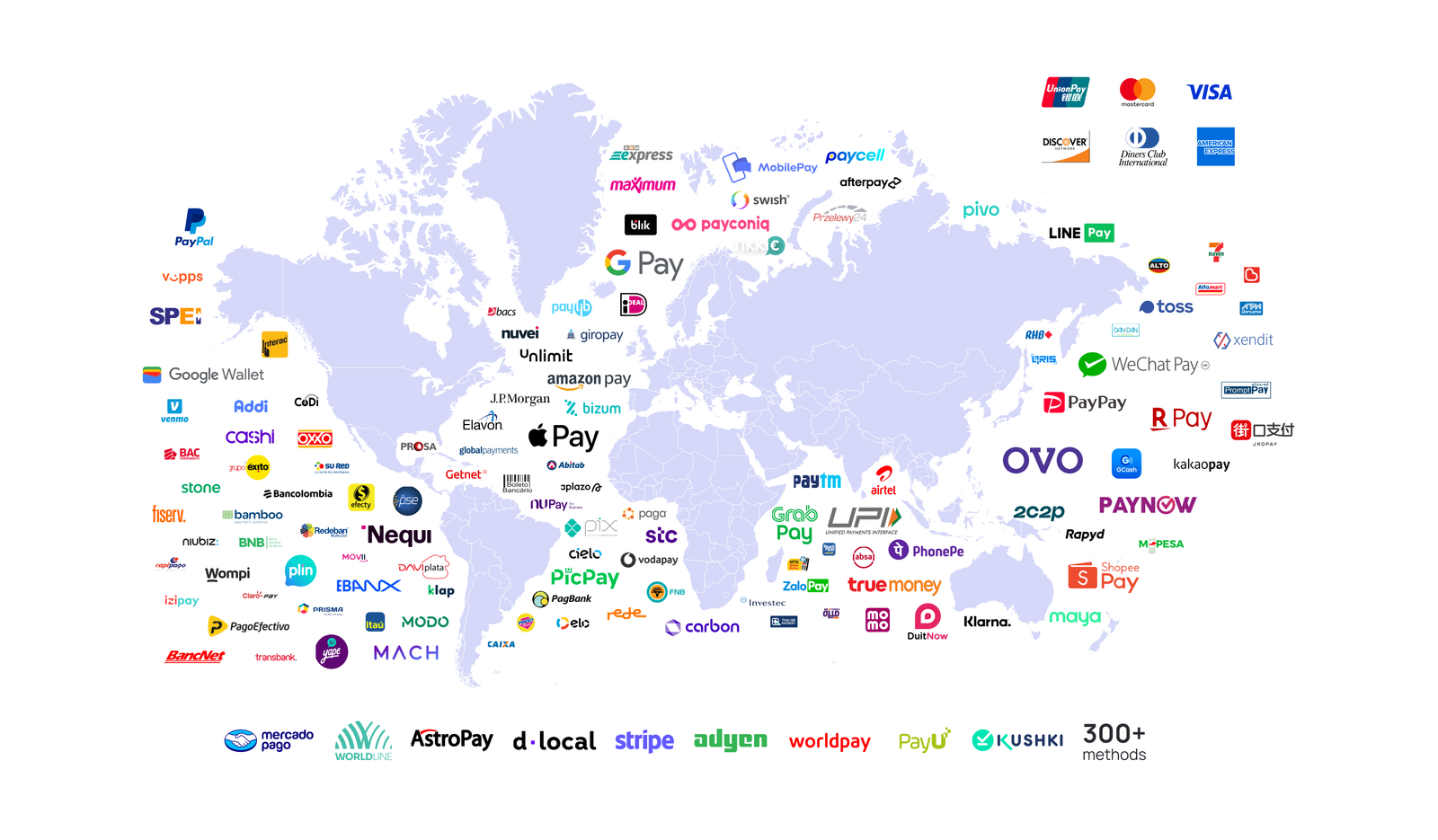
Airlines must evolve to meet travelers' demands. However, this process can require significant time and economic resources, particularly becausepayment providers vary from country to country.
Flexible Payment Plans for Travelers
According to The Ascent, 48% of BNPL American users utilize these services to make purchases that fall outside their regular budget. This payment method is often chosen by younger travelers, who seek for more manageable and interest-free payment options.
What your customers want
Despite the increasing adoption of digital payment methods, customers from regions like Latin Americans remain cautious surrounding e-commerce transactions. This hesitation frequently results from concerns about the security of personal and financial information.
In order to overcome these obstacles, businesses must place a high priority on the implementation of a comprehensive and resilientanti-fraud system. Additionally, by doing so, airlines can foster a long-term relationship with their travelers.
Enhanced Authentication
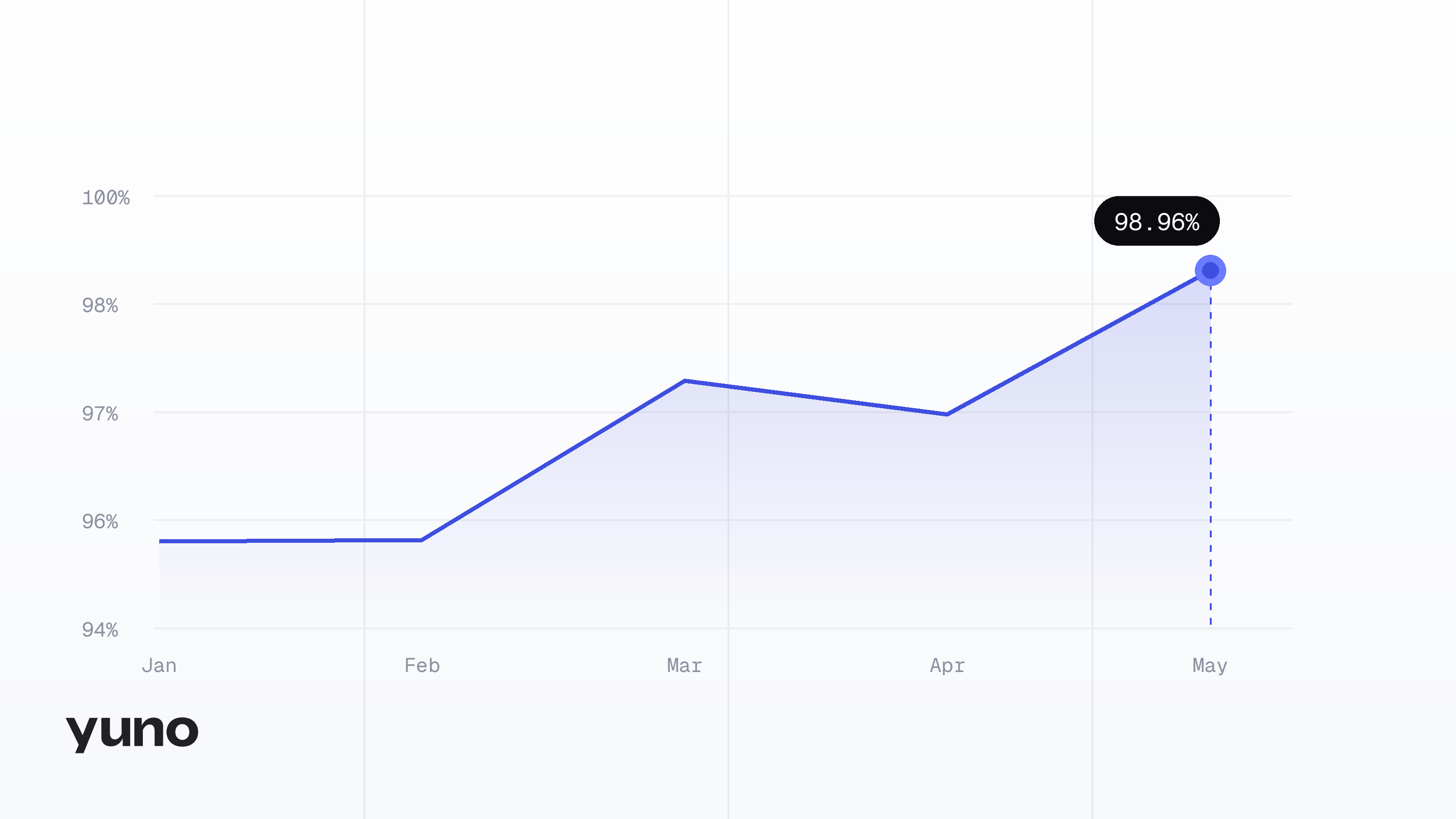
Authentication systems are a critical component of anti-fraud strategies in the airline industry. By using multi-factor authentication (MFA) and biometric verification, the risk of fraudulent transactions reduces significantly.
MFA is particularly effective —it has been shown to block 99.9% of automated attacks. Biometric verification, using unique physical characteristics, adds another layer of security that is difficult to replicate.
AI for Detecting Fraud in Real Time
Artificial Intelligence (AI) has become a critical tool in combating fraud across various industries. Because it can analyze vast amounts of transaction data in real-time, business can identify unusual patterns and behaviors indicative of fraudulent activity in real time.
These advanced systems continuously learn and adapt, becoming more effective over time in predicting and preventing fraud before it occurs, thus providing a robust layer of security for both airlines and their customers.
Tokenization for Data Protection
Tokenization is an effective anti-fraud system that replaces sensitive payment information with unique identifiers. By using tokens, the risk of data breaches is greatly reduced because tokens don’t work without the data they’re linked to.
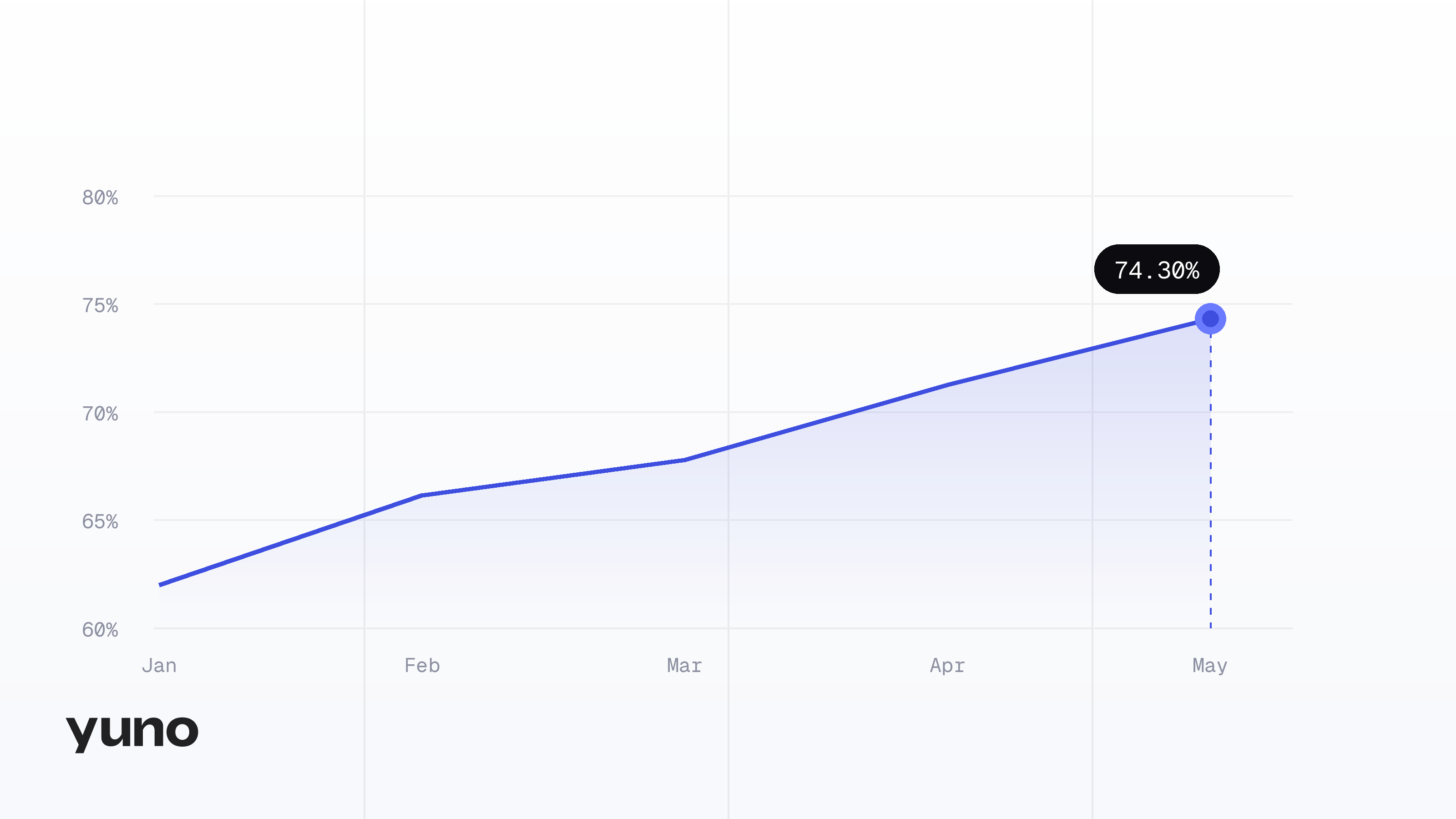
While different tokenization exist, network tokens offer more benefits than data protection. These tokens are issued by card schemes and work across the whole payment ecosystem, reducing spurious payment refusals.
Security and Innovation All in One
Efficient payment integration streamlines the checkout process, allowing airlines to offer a variety of payment options tailored to customer preferences and regional requirements. Additionally, implementing advanced security measures safeguards payment information, prevents data breaches, and enhances compliance with industry regulations such as PCI DSS.
Overall, this strengthens the customer experience by providing comfort and convenience to travelers. With Yuno, airlines can access these benefits in their payment processes as well, accessing over 300 payment methods and providers all over the world, as well as a great number of anti-fraud tools, in just a couple of clicks. Book a demo to power your business with the payment revolution.